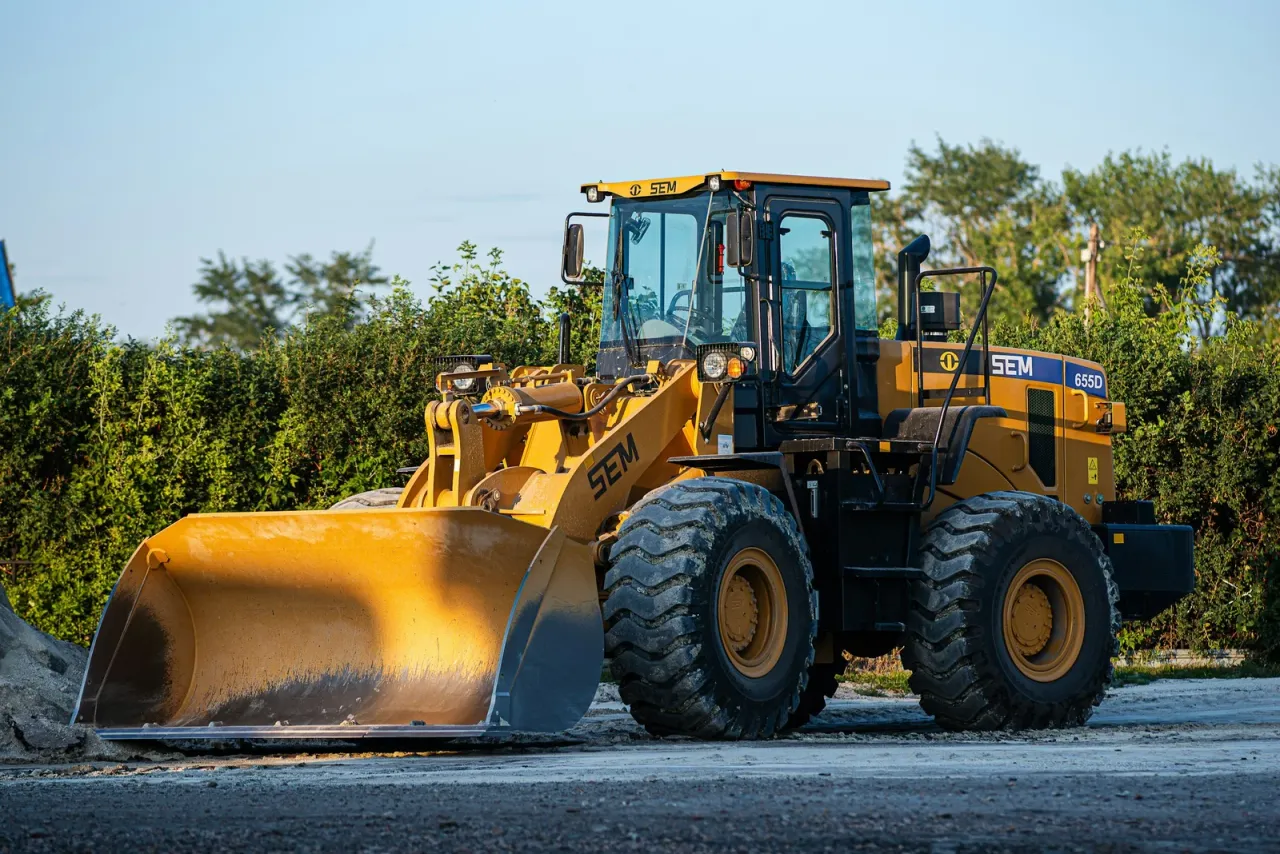
A tire manufacturer wants to understand how off-the-road equipment operators evaluate suppliers. The relevant decisions may differ between surface mining, construction, quarries, ports, and crane operations. A useful study needs people who know the actual selection process in each setting.
Define the relevant audience
Fleet leaders, maintenance heads, operations managers, or owners may all be relevant. Confirm which equipment they oversee, their personal involvement in tire selection, and how recently they evaluated a brand. Do not assume every maintenance role controls purchasing.
Choose the research approach
Compare operating conditions and decision roles deliberately. Ask about a recent evaluation, the alternatives considered, and the practical factors that affected the choice. Separate a participant’s brand familiarity from firsthand authority to select or recommend it.
Plan participant access and support
Some candidates spend much of the day away from a desk. Offer realistic session windows and check whether a browser meeting or phone interview fits the task. Keep qualification focused enough to establish relevance without conducting the whole interview during screening.
Apply the planning lesson
An industrial audience is best defined by equipment, responsibility, and operating context. A broad title list can miss both qualified owners and specialist maintenance decision makers.
Set sample size, quotas, timing, and verification for the actual study. This illustrative scenario is a planning aid and makes no claim about a delivered Focus Crossroads project.